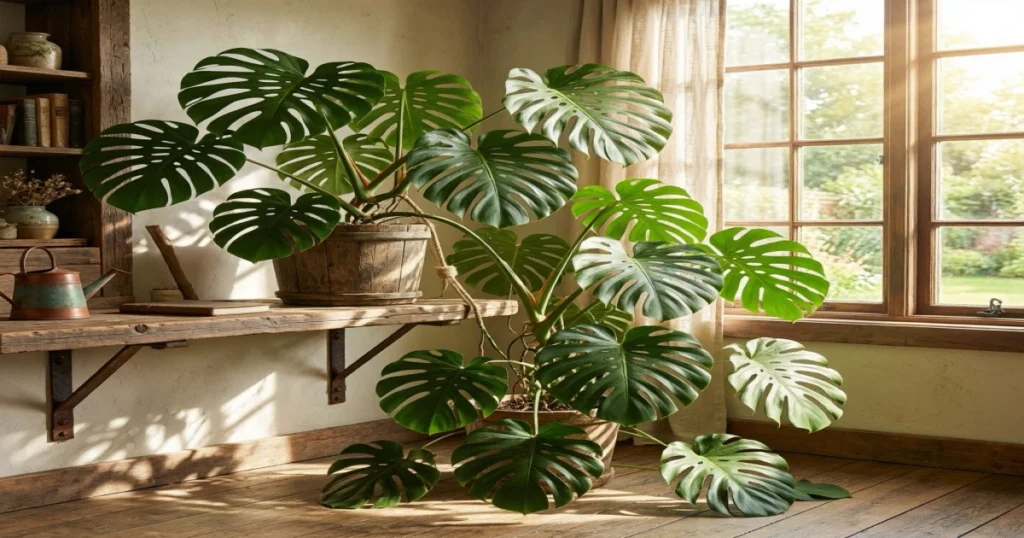
Welcome to your comprehensive guide on cultivating a thriving Monstera Deliciosa, often affectionately known as the Swiss Cheese Plant. This article will equip you with all the essential knowledge and practical tips to ensure your Monstera flourishes, transforming your living space with its iconic, fenestrated foliage.
Introduction to Monstera
A potted Monstera plant sits on a bright windowsill with sunlight on its leaves
What is Monstera Deliciosa?
Monstera Deliciosa is a popular tropical houseplant renowned for its large, glossy leaves that develop distinctive splits and holes as they mature. This vining plant, native to the rainforests of Central and South America, is a favorite among plant parents due to its relatively easy care and stunning aesthetic. Understanding its natural habitat helps in replicating the ideal conditions for a happy plant indoors, ensuring robust new growth and preventing common issues like yellow leaves.
Characteristics of the Swiss Cheese Plant
The Swiss Cheese Plant, or Monstera Deliciosa, is characterized by its dramatic foliage, which develops fenestrations, giving it a “swiss cheese” appearance. This vining plant can grow quite large, developing aerial roots that help it climb in its natural environment. Proper Monstera Deliciosa care involves providing a moss pole for support and understanding its specific care requirements, including appropriate watering schedules and humidity levels, to prevent issues such as leggy growth or root rot from overwatering.
Understanding Thai Constellation and Monstera Peru
While Monstera Deliciosa is widely recognized, other varieties like the Thai Constellation and Monstera Peru also captivate plant enthusiasts. The Thai Constellation is a variegated form of Monstera Deliciosa, prized for its unique speckled white or cream patterns on its leaves, making it a highly sought-after houseplant. Monstera Peru, on the other hand, boasts smaller, deeply textured, and non-fenestrated leaves. Each of these Monsteras requires specific care tips, though many of the general Monstera care principles, such as providing bright indirect light and avoiding direct sunlight, remain consistent across the genus to ensure a healthy plant.
Monstera Deliciosa Care Essentials
A hand holding a small spray bottle near a monstera leaf
Optimal Watering Frequency
Proper watering is crucial for the health of your Monstera Deliciosa, and the key is to allow the top few inches of soil to dry out between waterings. Overwatering is a common culprit for root rot, so it’s essential to ensure the soil doesn’t sit in water. During the active growing season in spring and summer, your Monstera will likely require more frequent watering, while in fall and winter, the frequency should be reduced.
Humidity Requirements for Monstera
As a tropical houseplant, Monstera Deliciosa thrives in high humidity. Replicating its natural rainforest environment indoors is vital for lush foliage and to prevent brown, crispy edges on Monstera leaves. You can increase humidity around your Swiss Cheese Plant by using a humidifier, placing it near a pebble tray filled with water, or grouping it with other Monsteras or houseplants. Avoid cold drafts, which can stress the plant.
Best Soil for Monstera Care
Choosing the right potting mix is paramount for successful Monstera Deliciosa care. A well-draining soil mix is essential to prevent root rot and ensure adequate aeration for the plant’s roots. A good blend typically includes a mix of potting soil, perlite, and orchid bark, which provides excellent drainage while retaining some moisture. Ensure your pot has a drainage hole at the bottom of the pot to allow excess water to escape.
Fertilizing Your Monstera
Choosing the Right Fertilizer
To ensure your Monstera Deliciosa flourishes with vibrant new growth and healthy foliage, selecting the right fertilizer is key. A balanced liquid fertilizer, typically with an NPK ratio like 5-2-3 or 5-5-5, is generally recommended for Monsteras. This provides essential nutrients for robust development without risking an imbalance. During the active growing season in spring and summer, your Swiss Cheese Plant will benefit most from regular feeding, ensuring its iconic leaves develop properly and remain a happy plant.
Fertilizing Schedule for Monstera Deliciosa
Establishing a consistent fertilizing schedule is crucial for the optimal care of your Monstera Deliciosa. During the growing season, which typically spans spring and summer, it is advisable to fertilize your Monstera every 2-4 weeks. Reduce the frequency significantly in fall and winter, as the plant’s growth slows down, and it requires fewer nutrients. Always dilute the fertilizer to half the recommended strength to prevent nutrient burn and ensure the plant can properly absorb the beneficial elements, contributing to its overall health and preventing issues like yellow leaves.
Signs of Nutrient Deficiency
Understanding the signs of nutrient deficiency is vital for maintaining a healthy Monstera Deliciosa. If your Monstera leaves start to turn yellow, especially older leaves, it could indicate a nitrogen deficiency. Stunted growth or unusually small new leaves may suggest a lack of phosphorus or potassium. A comprehensive care guide for your Monstera will emphasize observing these changes. Addressing deficiencies promptly with the appropriate fertilizer can help restore your plant’s vigor and ensure it continues to thrive indoors, showcasing its beautiful foliage.
Repotting and Propagation
When to Repot Your Monstera
Knowing when to repot your Monstera Deliciosa is essential for its continued health and growth. Generally, a young Monstera will need repotting every 1-2 years, or when you notice roots growing out of the drainage hole at the bottom of the pot. Other signs include stunted growth, the plant becoming top-heavy, or the soil drying out too quickly. Repotting provides fresh potting mix and more space for the root system to expand, preventing issues like root rot and encouraging vigorous new growth for your Swiss Cheese Plant.
How to Propagate Monstera Deliciosa
Propagating your Monstera Deliciosa is a rewarding way to create new plants and expand your collection. The most common method involves taking stem cuttings with at least one node and aerial root. Place these cuttings in water or a well-draining soil mix, ensuring high humidity for successful rooting. With proper care and indirect light, these cuttings will develop their own root system, allowing you to establish new Monsteras. This practice is an excellent part of a comprehensive Monstera care guide, encouraging more plant parents to grow this beautiful houseplant.
Best Practices for Repotting
When it’s time to repot your Monstera Deliciosa, follow best practices to minimize stress and ensure a smooth transition for your plant. Choose a pot that is only 1-2 inches larger in diameter than the previous one, always with a drainage hole. Use a well-draining soil mix to prevent overwatering and root rot. Gently loosen the roots if they are root-bound, and position the plant in the new pot at the same depth. After repotting, water thoroughly and place your Monstera in an area with bright indirect light, allowing it to acclimate to its new home.
Pruning and Maintenance
How to Prune Your Monstera
Pruning your Monstera Deliciosa is an essential part of its care guide, encouraging bushier growth and maintaining its shape. To prune effectively, use sharp, sterilized shears to make clean cuts just above a node, which is where a leaf or aerial root emerges. You can remove yellow leaves, leggy stems, or any damaged foliage to direct the plant’s energy towards new growth. Regular pruning helps to keep your Monstera manageable, especially as this vining plant can grow quite large indoors, ensuring it remains a happy plant and preventing it from becoming too unwieldy.
Maintaining Plant Health
Maintaining the overall health of your Monstera Deliciosa involves a holistic approach, combining proper watering, light, and humidity. Ensure your Monstera receives bright indirect light and avoids direct sunlight, which can burn the leaves. Regularly check the top few inches of soil to dry out between waterings to prevent root rot, a common issue with overwatering. Providing a moss pole can support its vining habit, allowing the aerial roots to anchor and promote larger, more fenestrated leaves. A consistent care guide for your Monstera Deliciosa will help maintain its vigor and lush foliage.
Identifying Common Pests and Issues
Even with diligent Monstera care, common pests and issues can arise. Regularly inspect your Monstera leaves for signs of pests like spider mites, mealybugs, or thrips, often appearing as tiny white specks or webbing. Treating infestations early with neem oil or insecticidal soap is crucial. Yellow leaves can indicate overwatering or nutrient deficiency, while brown, crispy edges suggest low humidity. Understanding these signs is vital for effective troubleshooting, ensuring your Monstera Deliciosa remains a healthy, thriving houseplant and addressing problems before they escalate.
Pairing Monstera with Other Houseplants
Best Plant Friends for Monstera
Pairing your Monstera Deliciosa with suitable plant friends can enhance both aesthetics and environmental conditions. Plants that thrive in similar humidity and bright indirect light conditions, such as ferns, philodendrons, and peace lilies, make excellent companions. These plant groupings can naturally increase humidity around your Monstera, creating a more favorable microclimate. When selecting plant friends, consider those with complementary foliage textures and colors to create a visually appealing display, ensuring all your houseplants receive the appropriate care requirements for a happy plant community.
Creating a Balanced Plant Environment
Creating a balanced plant environment for your Monstera Deliciosa and its companions involves careful consideration of light, humidity, and space. Placing your Monstera with other tropical houseplants helps to maintain ambient humidity, especially beneficial during drier seasons, and can be augmented with a humidifier or pebble tray. Ensure each plant has enough room to grow without overcrowding, allowing for proper air circulation. A well-draining soil mix is essential for all, preventing root rot. This holistic approach to Monstera care results in a thriving indoor plant ecosystem.
Design Ideas for Monstera in Your Home
Incorporating your Monstera Deliciosa into your home decor offers endless design possibilities. Its striking foliage and vining nature make it a perfect focal point in a living room, office, or even a bathroom with high humidity. Consider placing your Monstera on a plant stand to showcase its dramatic leaves, or allow it to climb a moss pole for a more vertical display. Grouping multiple Monsteras of different sizes, or even different Monstera varieties like the Thai Constellation or Monstera Peru, can create a lush, jungle-like aesthetic, transforming your indoor space into a verdant oasis.
Latest Posts About Monstera
- Monstera Plant Pests Identification and Control: Expert Tips
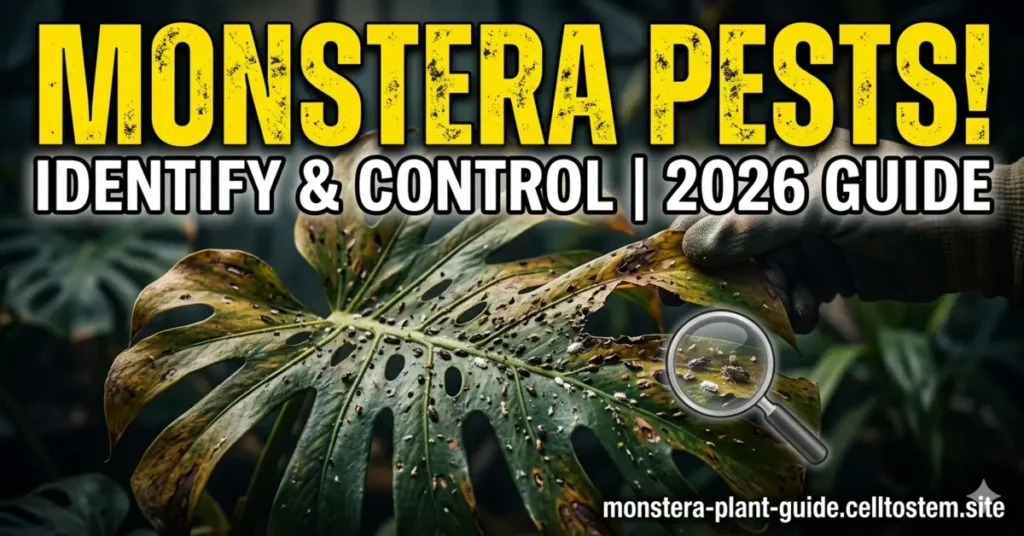 Quick Answer: How to Stop Monstera Pests To identify and control Monstera pests, look for fine webbing (spider mites), cottony tufts (mealybugs), or sticky … Read more
 - Why Your Monstera Leaves Are Turning Yellow: A Real Guide
 Quick Answer: Monstera leaves usually turn yellow due to overwatering, which leads to oxygen deprivation or root rot. Other common culprits include low light, … Read more
 - The Ultimate Guide to Monstera Plant Light Requirements
 Quick Answer: Monstera deliciosa thrives in bright, indirect sunlight for 6 to 10 hours daily. While they can survive in lower light, they will … Read more
 - The Ultimate Guide to the Best Soil Mix for Monstera Plants
 The Perfect Monstera Soil Recipe The best soil mix for Monstera plant health is a chunky, “airy” aroid mix that mimics a tropical rainforest … Read more
 - Monstera Fertilizer Schedule 2026: Grow Huge Split Leaves FastQuick Guide: Feeding Your Monstera To keep your Monstera thriving, fertilize every 2 to 4 weeks during the spring and summer using a balanced liquid fertilizer … Read more