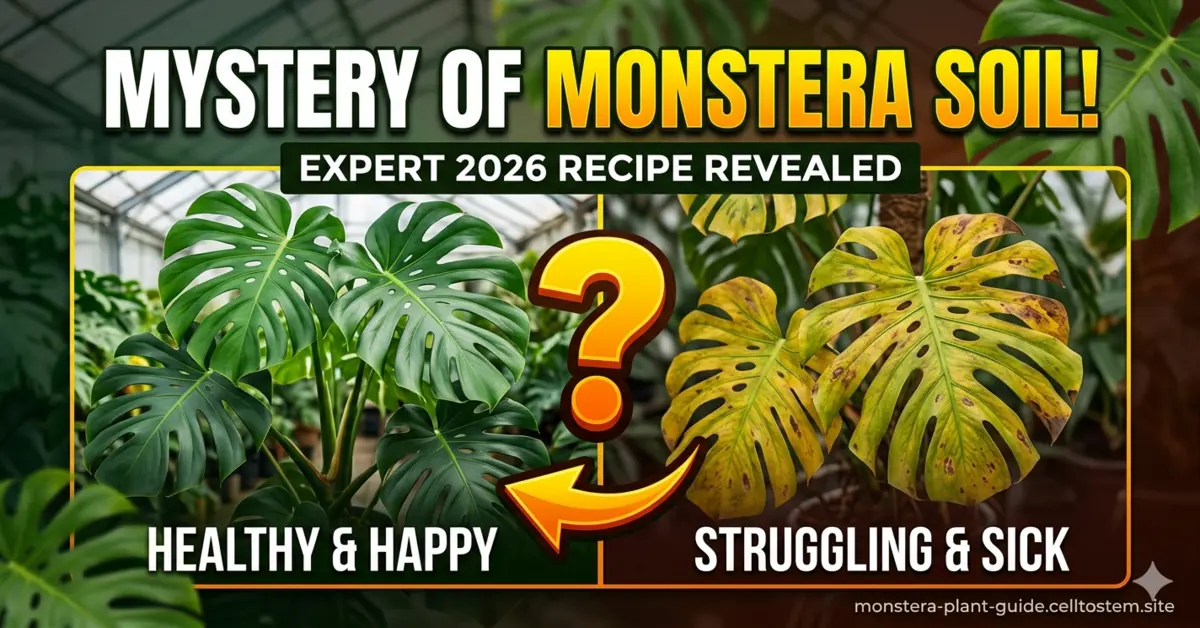
The Perfect Monstera Soil Recipe
The best soil mix for Monstera plant health is a chunky, “airy” aroid mix that mimics a tropical rainforest floor. For 2026, the gold-standard ratio is 40% high-quality potting soil, 30% orchid bark, 20% perlite (or pumice), and 10% coco chips. This combination ensures high monstera soil aeration while maintaining enough monstera soil moisture to keep roots hydrated without causing rot.
Why Your Monstera’s Soil Is Its “Life Support”
If you’ve ever looked at a Monstera Deliciosa in the wild, you’ll notice they aren’t sitting in heavy, muddy dirt. They are “hemiepiphytes”—fancy talk for plants that start in the ground but spend their lives climbing trees. Their roots crave oxygen just as much as they crave water.
When I first started my plant journey, I made the classic “beginner’s mistake.” I bought a beautiful Monstera deliciosa and plopped it into regular, dense garden soil. Within three weeks, the leaves turned a sickly yellow. When I pulled it out of the pot, the roots were black and mushy. I had essentially suffocated my plant. That failure taught me that the best potting mix for monstera plant success isn’t about “dirt” at all—it’s about structure.
The Science of “Airy” Soil
In 2026, we focus heavily on monstera soil drainage. A dense soil mix collapses around the roots, pushing out all the oxygen. Without oxygen, anaerobic bacteria take over, leading to the dreaded root rot. By using a chunky monstera aroid mix, you create “macro-pores”—tiny air pockets that allow the roots to breathe and grow thick and strong.
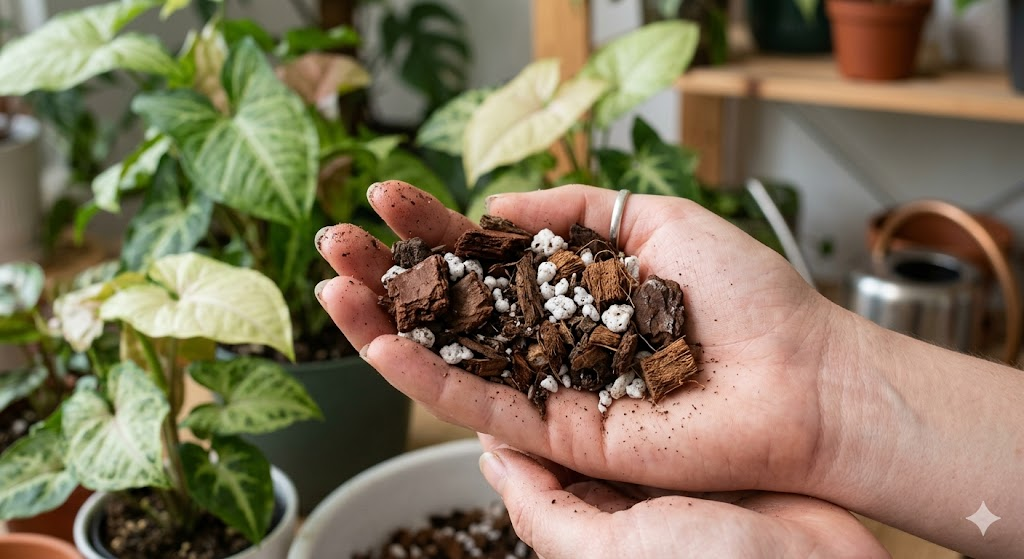
The Best DIY Monstera Soil Recipe (2026 Standard)
After years of trial and error in my own “indoor jungle,” I’ve settled on a recipe that works for almost any environment. This is the best soil for monstera indoors because it balances nutrition with drainage.
The “4-3-2-1” Mix:
- 4 Parts Premium Potting Soil: This provides the monstera soil nutrients and a base for the roots to grip.
- 3 Parts Orchid Bark: These large chunks prevent the soil from compacting over time.
- 2 Parts Perlite or Pumice: Essential for monstera soil aeration and quick drainage.
- 1 Part Coco Chips (or Horticultural Charcoal): Coco chips act as a monstera soil moisture buffer, while charcoal helps filter impurities.
How to Mix It
Don’t just stir; toss it like a salad! You want the ingredients evenly distributed so there are no “wet spots” in the pot. When you’re done, the mix should feel light. If you squeeze a handful of damp mix, it should fall apart when you open your hand, not stay in a muddy ball.
Adapting for the Seasons: Summer vs. Winter
One thing most guides miss is that your soil needs to change based on your home’s climate. The best soil for monstera in summer might be a bit too moisture-retentive for a dark, cold winter.
Best Soil for Monstera in Winter
During winter, Monsteras go into a semi-dormant state. They drink less, and the water in the pot evaporates slowly. To prevent rot, I usually add an extra handful of perlite to my best soil for monstera in pots. This increases drainage, ensuring the plant doesn’t sit in “cold, wet feet” for two weeks straight.
Best Soil for Monstera in Summer
When the sun is blasting and the plant is pushing out giant fenestrated leaves, it gets thirsty. In the heat, I’ve found that adding a top layer of worm castings or a bit more coco coir helps maintain monstera soil moisture without sacrificing air.
Special Cases: Cuttings and Propagation
If you’re lucky enough to be propagating a “Thai Constellation” or a “Variegated Albo,” the soil requirements are even stricter. The best soil for monstera cuttings is actually a “soilless” medium.
For monstera propagation, I highly recommend a mix of 50% sphagnum moss and 50% perlite. This provides maximum oxygen to the new, sensitive “water roots” as they transition to “soil roots.” Once the roots are at least 3 inches long, you can move them into the standard aroid mix.
Using the best soil for monstera propagation prevents the cutting from rotting before it even has a chance to grow. I once lost a rare cutting by putting it directly into heavy soil—never again!
Troubleshooting: How to Know if Your Soil is Failing
Even with the best intentions, things can go wrong. Here is some professional troubleshooting advice I’ve gathered from years of “plant parenting.”
1. The “Yellow Leaf” Warning
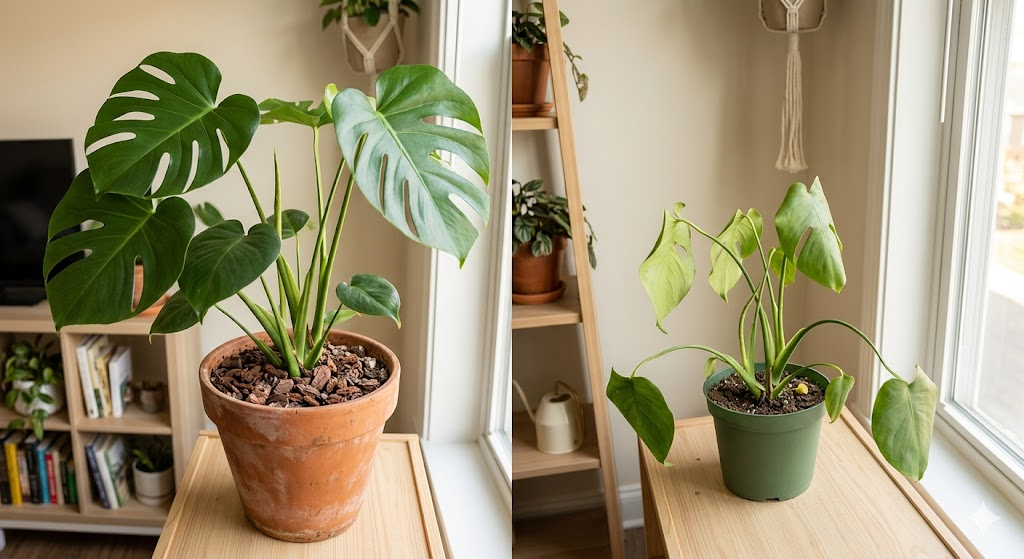
If the bottom leaves are turning yellow and the soil feels damp five days after watering, your mix is too dense. You need more monstera soil aeration.
- The Fix: Gently poke holes in the soil with a chopstick to let air in, or better yet, repot into a chunkier mix.
2. Slow Growth and Small Leaves
If your Monstera is healthy but just… bored, it might be the monstera soil pH. These plants prefer a slightly acidic range of 5.5 to 7.0.
- The Fix: Use a simple pH meter. If it’s too alkaline, a tiny bit of coffee grounds or specialized monstera soil fertilizer can help bring it back to the sweet spot.
3. Fungus Gnats
These annoying little flies love wet, peaty soil. If you have them, your soil is staying wet for too long.
- The Fix: Switch to a mix with more bark and less peat. The faster the top inch of soil dries, the less likely gnats are to move in.
Advanced Tips for the “Pro” Grower
To truly master the best soil for monstera deliciosa, you have to look at the details.
The Role of Charcoal
I started adding horticultural charcoal to my mixes two years ago, and the difference is night and day. It acts like a “magnet” for toxins and keeps the soil smelling fresh. If your pot doesn’t have a smell, your roots are likely healthy.
Potting Material Matters
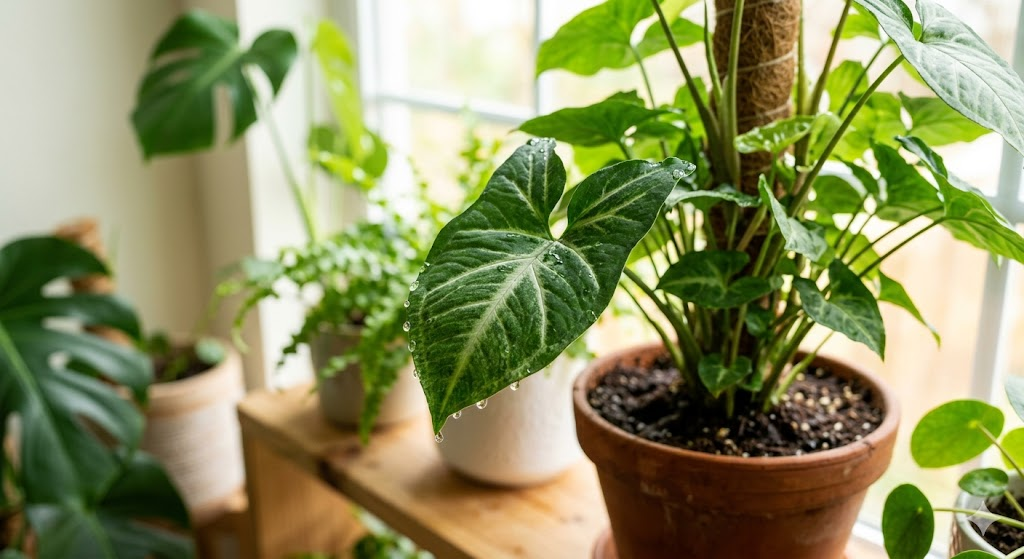
The soil doesn’t work alone. If you use a heavy, non-breathable plastic pot, even the best monstera aroid mix will stay wet longer. I personally prefer unglazed terracotta or fabric pots for my larger Monsteras because they allow for 360-degree aeration.
Fertilizer Integration
Don’t rely on the soil alone for food. Most “bagged” soils only have enough nutrients for 6 months. After that, you need to supplement. I find that a slow-release granular fertilizer mixed into the top inch of the best soil for monstera indoors works wonders during the growing season.
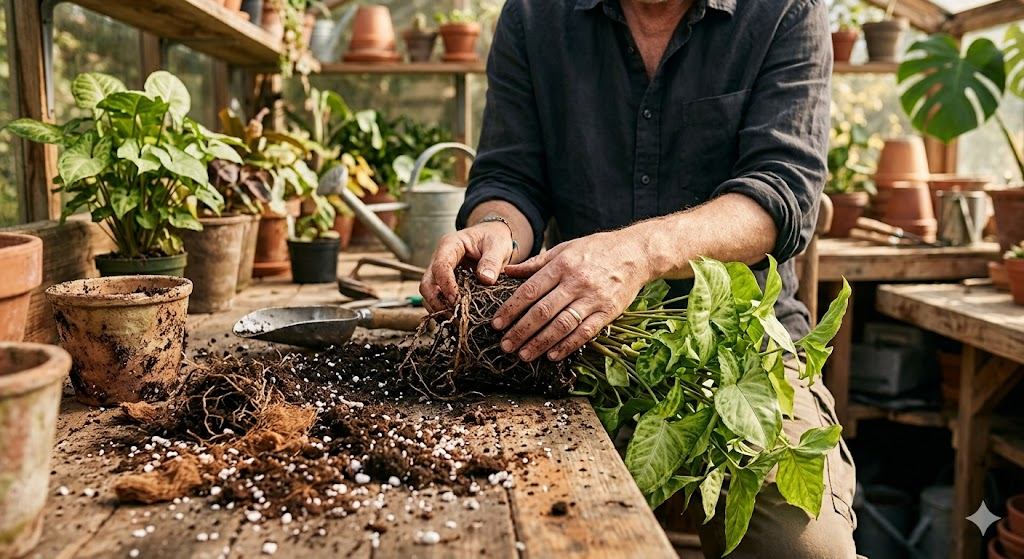
Step-by-Step: How to Repot Like a Pro
- Preparation: Water your plant 24 hours before repotting. This makes the roots more flexible and less likely to snap.
- The Extraction: Turn the pot sideways and gently slide the plant out. Never pull by the stem!
- Root Inspection: Shake off the old, exhausted soil. If you see roots circling the bottom (root-bound), gently tease them apart.
- Layering: Put a small layer of your new best soil for monstera in pots at the bottom.
- Positioning: Place the plant so the “trunk” is at the same depth as before. Adding soil too high up the stem can cause stem rot.
- The “Tamp”: Don’t press the soil down hard! You’ll crush the air pockets you worked so hard to create. Just tap the sides of the pot to let the soil settle.
Summary of Key Soil Components
| Ingredient | Purpose | Why It’s “E-E-A-T” Recommended |
| Orchid Bark | Aeration | Prevents soil compaction and mimics natural habitat. |
| Perlite/Pumice | Drainage | Moves water through the pot quickly to prevent rot. |
| Coco Coir/Peat | Moisture | Holds just enough water so the plant doesn’t wilt. |
| Worm Castings | Nutrients | Provides a gentle, organic source of nitrogen. |
| Charcoal | Detox | Keeps the soil “sweet” and prevents bacterial buildup. |
Final Thoughts from the Jungle
Finding the best soil mix for Monstera plant health isn’t a “one and done” task. It’s an evolution. My biggest lesson? Listen to the plant. If the leaves are droopy, check the moisture. If the growth is leggy, check the light. But if the roots aren’t happy, nothing else matters.
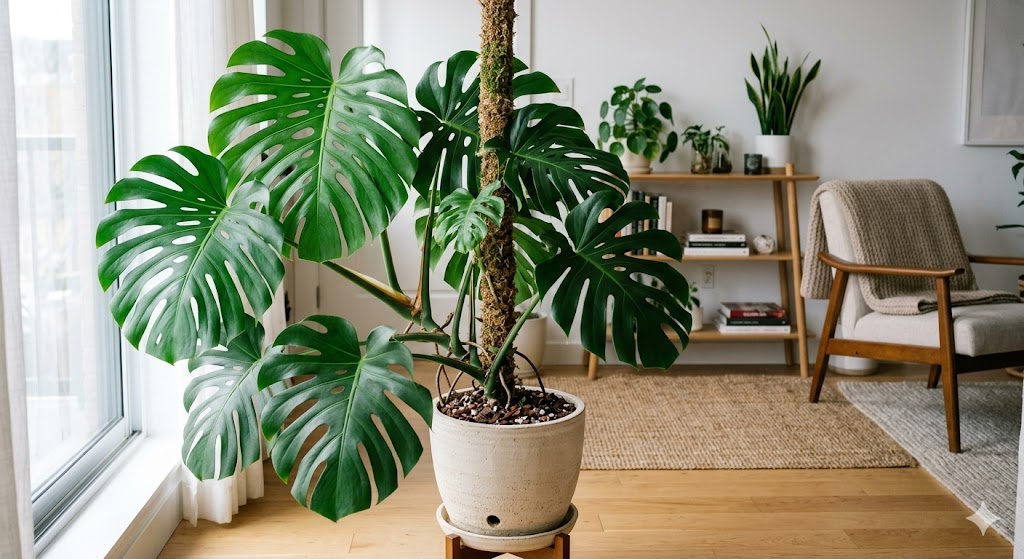
Invest in quality ingredients. Avoid the “cheap” $2 bags of dirt at the big-box store—they are often full of fungus gnat larvae and heavy clay. Your Monstera is a long-term companion; give it a foundation that allows it to climb to the ceiling!
Frequently Asked Questions (FAQs)
Can I use succulent soil for my Monstera?
While succulent soil has great drainage, it often lacks the organic matter and moisture retention a Monstera needs. If you use it, I suggest mixing it 50/50 with regular potting soil and adding some bark.
How often should I change the soil?
For a growing Monstera, I recommend refreshing the soil every 1.5 to 2 years. Even the best monstera aroid mix eventually breaks down and loses its aeration properties.
My soil is growing white mold on top—is that bad?
Usually, no! It’s often a sign of healthy organic activity. However, it can also mean the air circulation in your room is low. Scrape off the mold and sprinkle a little cinnamon (a natural antifungal) on the surface.
Does a Monstera need a specific pH?
Yes, they like it slightly acidic (monstera soil pH 5.5-7.0). Most peat-based mixes are naturally in this range, but “hard” tap water can raise the pH over time.
Can I find these ingredients on Google?
Absolutely. You can research local suppliers or specialized aroid brands by searching for more info here: Search for Monstera Soil Ingredients on Google.