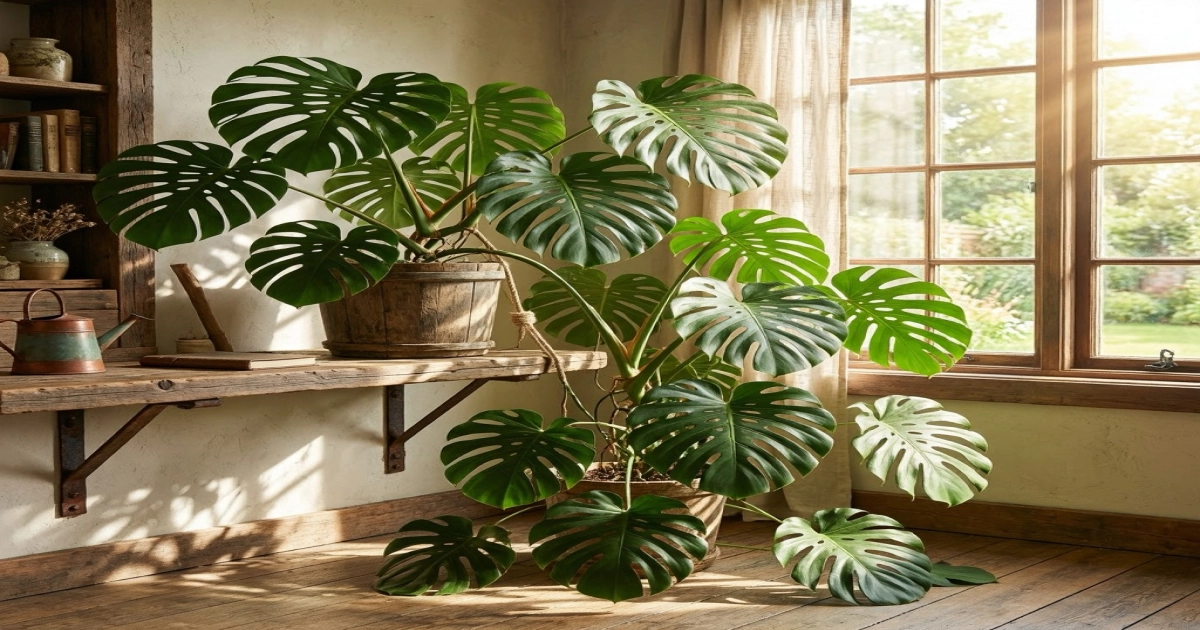

Quick Answer:
Fixing yellow leaves on your Monstera Deliciosa usually involves balancing four key factors: moisture, light, nutrients, and drainage. Most yellowing is caused by overwatering, which leads to root stress. To fix it, allow the top two inches of soil to dry out, ensure your plant is in bright indirect light, and check for well-draining soil.
Why Your Monstera Is Turning Yellow (And How to Stop It)
Finding a yellow leaf on your beloved “Swiss Cheese plant” can feel like a mini-heartbreak. You bought this tropical beauty for its deep green, hole-filled leaves, not for a sickly mustard hue. Monstera deliciosa leaf yellowing is actually the plant’s way of talking to you. It’s a distress signal, usually telling you that something in its environment—water, light, or food—is out of balance.
In this guide, we’ll dive deep into the specific steps you can take to turn things around. We aren’t just looking for a “quick fix”; we want to build the best care routine for monstera deliciosa yellow leaves so your plant thrives for years.
1. The Most Common Culprit: Watering Woes
If you see yellowing that starts at the edges or covers the entire leaf, you are likely dealing with monstera deliciosa watering problems. Most people kill their plants with kindness (and too much water). When the soil stays soggy, the roots can’t breathe, leading to root rot.
To get back on track, you need the best watering schedule for monstera deliciosa yellow leaves. Instead of watering on a specific day of the week, use your finger. If the top two inches of soil feel dry, it’s time for a drink. If it’s moist, wait.

Don’t Forget the Soil and Pot
Even with a good schedule, bad soil will trap water. The best soil for monstera deliciosa with yellow leaves is a chunky, well-draining mix. Look for a blend that includes orchid bark, perlite, and peat moss or coco coir. This allows oxygen to reach the roots, preventing monstera plant stress symptoms.
2. Lighting: Finding the Sweet Spot
Monstera deliciosa light exposure is a balancing act. In their natural jungle habitat, these plants live under the canopy. They love light, but they hate being “sunburned.”
- Too much light: The leaves might turn a bleached, pale yellow or develop crispy brown spots.
- Too little light: The plant can’t photosynthesize properly, leading to monstera deliciosa chlorosis (a loss of green pigment).
The best light conditions for monstera deliciosa yellow leaves involve “bright indirect light.” Think of a spot near a window with a sheer curtain, or a few feet back from a bright south-facing window.

3. Feeding Your Giant: Nutrient Deficiency
If your plant is growing in the same soil for over a year, it might be running out of “fuel.” Monstera deliciosa nutrient deficiency often shows up as yellowing between the veins of the leaves or general monstera leaf discoloration.
To fix this, you need the best plant food for monstera deliciosa yellow leaves. Look for a balanced, liquid fertilizer (like a 20-20-20 formula) diluted to half strength. Using the best fertilizer for monstera deliciosa yellow leaves during the growing season (spring and summer) ensures the plant has the nitrogen it needs to stay vibrant green.
4. Humidity and Environment
These are tropical plants. They crave moisture in the air. If the air in your home is too dry, you might see swiss cheese plant yellow leaves with brown, crispy tips.
The best humidity level for monstera deliciosa yellow leaves is between 50% and 60%. You can achieve this by:
- Grouping plants together.
- Using a pebble tray with water.
- Running a humidifier nearby.
Proper monstera plant maintenance also includes wiping the leaves with a damp cloth. Dust blocks sunlight and prevents the plant from “breathing.”
5. Pests and Health Check
Sometimes, the yellowing isn’t your fault—it’s tiny invaders. Thrips, spider mites, and scale can suck the life out of your plant.
The best pest control for monstera deliciosa yellow leaves starts with a close inspection. Look for tiny webs or small black dots on the undersides of leaves. If you find them, treat the plant with neem oil or insecticidal soap immediately.
6. Pruning and Repotting: The Fresh Start
If a leaf is completely yellow, it won’t turn green again. The plant is wasting energy trying to save it. The best pruning method for monstera deliciosa yellow leaves is to use a pair of sterilized shears and cut the yellow leaf off at the base of the stem. This allows the plant to focus its energy on new, healthy growth.

If your plant has outgrown its home, you’ll need the best repotting technique for monstera deliciosa yellow leaves.
- Choose a pot only 2 inches wider than the current one.
- Ensure it has drainage holes.
- Gently loosen the roots before placing it in fresh, chunky soil.

Summary Checklist for a Healthy Monstera
| Factor | Ideal Condition |
| Water | Dry top 2 inches of soil before watering again. |
| Light | Bright, indirect sunlight (avoid direct midday sun). |
| Soil | Aroid mix (bark, perlite, and potting soil). |
| Humidity | Above 50% for optimal leaf health. |
| Fertilizer | Balanced liquid feed every 4-6 weeks in spring/summer. |